
Assembling our game library isn’t a single checklist or a simple grab bag of whatever’s popular. It’s a constant, multi-layered process that mixes player understanding, technical rigor, and a serious respect for the benchmarks set by the UK Gambling Commission. We sift through thousands of entries from developers all over the world, but only a tiny fraction ever arrive in the lobby. Behind each slot, live dealer table, or instant-win game you see stands a chain of reviews that place fairness, performance, and real entertainment first. By the time you press spin, you’re trying a title that has already gone through a deep quality filter.
Partnering with Premier Software Studios
We develop the library through close relationships with a narrow circle of developers we trust to offer quality consistently. That circle contains established names like NetEnt, Play’n GO, and Evolution, as well as a few boutique studios that bring fresh mechanical ideas. We don’t select partners on brand prestige alone. We examine their track record for game stability, how responsive they are during integration, and whether they’ll tweak features for the UK market, like providing pound sterling denominations and proper British English localisation. These ties give us early access to new releases, but we never grant automatic entry. Every single title from even our most trusted partners still goes through our own independent technical and fairness checks before it ever surfaces in the lobby.
Audited Fairness and RNG Verification
Integrity is the pillar our reputation depends on. Every game that passes our technical gates has to provide us with a valid certificate from an independent testing lab like eCOGRA or iTech Labs, confirming that its random number generator (RNG) delivers genuinely unpredictable outputs. We verify that the certified RTP corresponds to the configuration active in the UK version of the game, because some providers ship different builds for different jurisdictions. Our team cross-references audit reports with the actual game files running on our servers. If a title offers a bonus buy feature, we scrutinize the probability tables to make sure they aren’t stacked in a way that warps the intended volatility pattern. This thorough audit trail offers the confidence to feature a game, and it provides players the peace of mind that every result really is unpredictable.
Mobile-First Strategy and Cross-Platform Performance
In excess of seventy percent of our traffic comes from smartphones and tablets, so we assess every game through a mobile lens first. A desktop experience can appear stunning but fall apart if thumb controls are placed in awkward spots on a smaller screen. Our teams examine touch-target accuracy, portrait-mode readability, and how fluidly swipe gestures function under real mobile network conditions. We turn down titles that depend on hover states that simply do not exist on touchscreens, or that reduce text until it’s illegible. Cross-platform consistency carries the same weight. A player who initiates a session on a mobile during the morning commute should see exactly the same game state when they resume on a desktop later at home. By sticking to these mobile-centric standards, we deliver a smooth, anywhere-play experience that fits how people in the UK actually live and play.
Legal Oversight and Legal Standards
Before we even consider a game, Ra casino slots online, it has to demonstrate it fulfills the technical requirements and player protection rules enforced by the United Kingdom Gambling Commission. We never rely on a studio’s word for it. Our compliance team verifies that every title’s math model, return-to-player (RTP) configuration, and in-game responsible gambling tools (reality checks, session timers, and the rest) all conform to UK regulations. Games that omit volatility details or feature mechanics banned under UK remote gambling law get turned down, no debate. That gate remains firm, because a safe environment is the cornerstone of long-term trust. By making sure each slot, table game, or live experience clears this bar, we eliminate uncertainty and let players concentrate entirely on enjoying the game.
Grasping UK Player Preferences
We kick off by tuning into the rhythm of the British market. This is not a generic international curation. Users in Manchester, Cardiff, and Glasgow often search for something unique from what works in other territories. We analyze session data, survey replies, and wider industry signals to identify the themes that connect, whether it’s classic fruit machines with that seaside arcade feel or branded slots tied to entertainment franchises the UK loves. The appetite for live casino has also shaped how we construct the lobby, driving us to obtain tables with native-speaking dealers and studios that appear local. That constant monitoring of regional taste keeps the lobby pertinent, not generic. follow this link It’s the first screen that narrows an ocean of content down to a shortlist that genuinely suits what British players demand from quality and familiarity.
Technical Testing and Benchmark Metrics
Once a game meets compliance, it drops into our technical testing cycle, which is built to mirror real-world play across the devices UK players typically use. Our quality assurance team runs each title through hundreds of scenarios on different operating systems, screen resolutions, and connection speeds. We track load times obsessively. A slot that needs more than a couple of seconds to start on a London Underground Wi-Fi connection needs immediate optimisation. We examine for memory leaks, crashes during bonus rounds, and rendering glitches on popular handsets like the iPhone 14 and Samsung Galaxy S23. A title that can’t deliver a smooth, uninterrupted experience under those conditions is sent back to the developer with a detailed report and isn’t released until every flagged issue is fixed.
Beyond stability, we evaluate the user interface against our own accessibility standards. Buttons must be big enough for comfortable thumb tapping. The paytable should be readable without endless scrolling. Audio cues ought to enhance the experience, not intrude. We’ve dismissed otherwise compelling games because their settings menus were hard to navigate or because the responsible gambling tools were buried too deep. Performance testing is not a one-and-done checkpoint. After major operating system updates, we re-examine a chunk of the library to spot new compatibility problems before anyone is affected. That ongoing vigilance ensures gameplay fluid and frustration low.
Removing Underperformers and Adding Innovative Titles
A static library turns stale. We uphold a deliberate rhythm where underused games are gently retired to clear space for new, high-potential releases. The decision to retire a title is never random. We set clear thresholds: a sustained monthly fall in active players, compatibility snags that can’t be efficiently patched, or developer support that has ended. Before a game leaves the lobby, we offer players notice and often recommend a similar title to make the switch easier. Meanwhile, our pipeline for new games works non-stop. We test upcoming releases in a test environment, checking latency, RTP accuracy, and reactions from player trial groups. That way, when a game finally goes live, it arrives polished and placed with purpose inside the library’s broader architecture.
From that first scan of UK player habits to the final decommissioning of an outdated slot, every step in our selection process is driven by respect for fairness, performance, and genuine entertainment. We’ve built a system that responds as much to data as it does to the people who count most, the players themselves. This thoughtful, multi-stage method means that when you log in, you’re met not by a chaotic jumble of titles but by a cohesive, trustworthy collection that earns its place every single day. That’s the promise behind our library, and we fulfill it without compromise.
Leveraging Data and Community Feedback
Data analytics lies at the center of our ongoing curation, but we always moderate the numbers with direct community sentiment. We follow play frequency, average session length, and drop-off points inside each title to identify where a game’s momentum weakens. If a particular bonus feature keeps forcing players to close the game, we mark it for investigation and may remove it from promotion until the studio resolves the friction. At the same time, we collect feedback through our support channels and monitored forums. When UK players tell us they want more Megaways mechanics or fewer overcomplicated grid slots, those comments get logged and fed straight into our scouting briefs. That dual-input system, blending quantitative telemetry and qualitative player voice, creates a feedback loop that maintains the library closely aligned with real feelings.
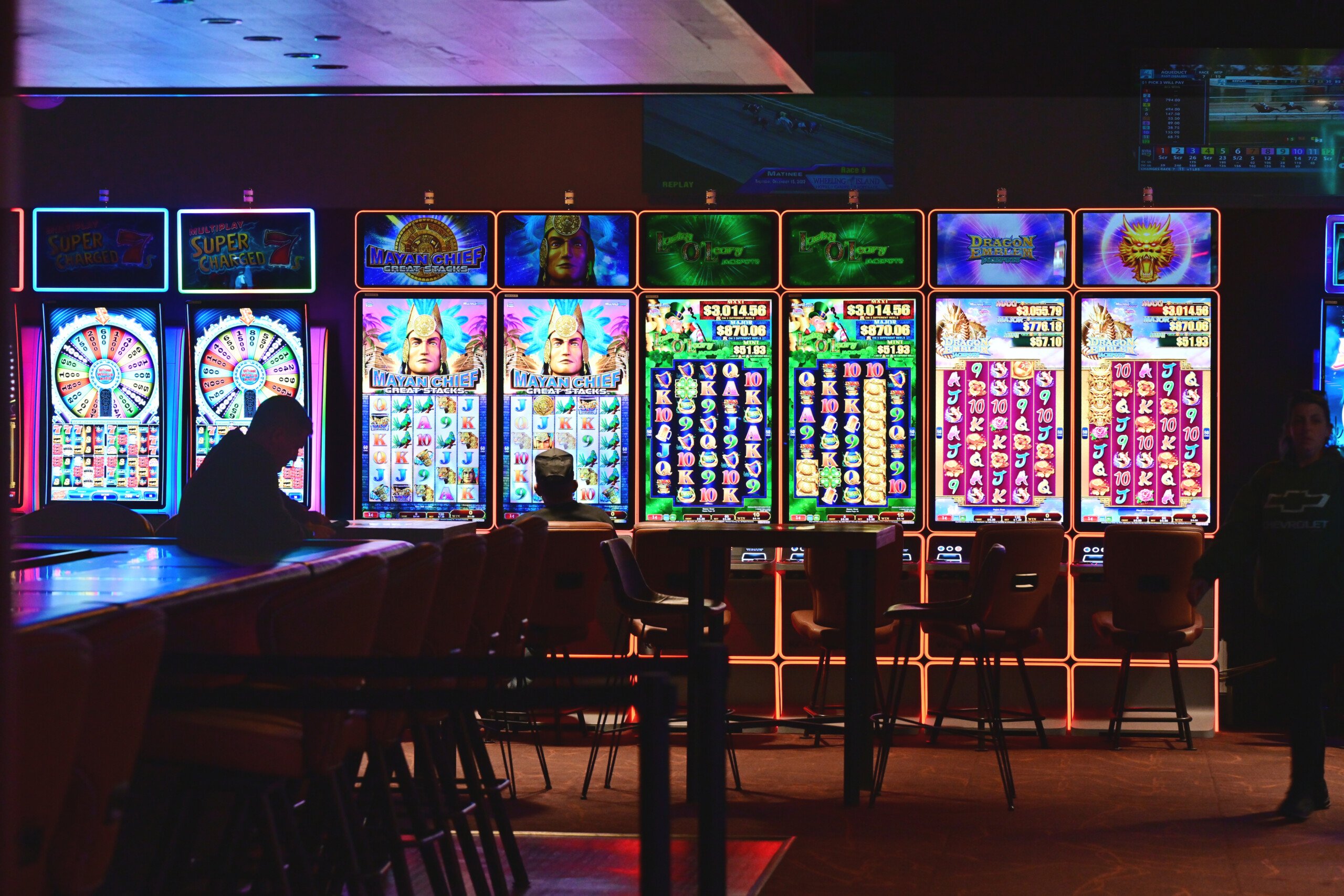
Beyond feedback on individual games, we observe broader satisfaction signals like net promoter scores and repeat visit patterns. A swell of complaints about a specific software provider’s performance affects us just as hard as a glowing review of a new jackpot network. We prize transparency, so when we have to phase out a popular title for licensing reasons, we spell out the reasons clearly through our blog and newsletters. That open conversation bolsters the trust our platform is built on. In many ways, the people who spend their evenings deep in our titles are an unofficial part of the selection committee, molding the lobby’s future without even recognizing it.
Building a Even Game Portfolio
A selection is beyond a group of popular titles; it should serve as a consistent whole. We outline groups so no single game style overpowers the remainder. We keep a intentional split between high-risk slots for the thrill seekers, low-risk classics for those who enjoy predictable sessions, and a growing set of live dealer tables that bring the ambiance of a Mayfair casino to the platform. We also set aside for specialized variants, for instance Slingo, scratch cards, and progressive jackpots, so each kind of player identifies a corner that suits. Regular content audits assess how player time is divided across game types, and we modify our acquisition priorities using those figures. The result is a lobby that feels deliberately crafted, not overstuffed or empty.